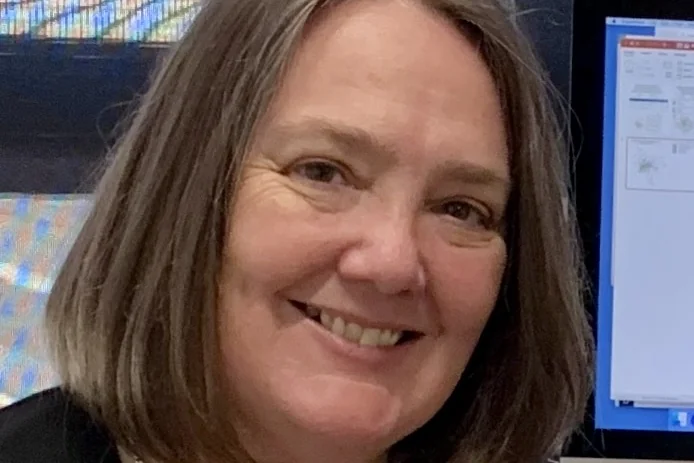
Four members of the Registry team standing together on a balcony, with treetops and the city behind them.
Image credit

Dr Suzy Butcher, Alison McIvor, Claire Livingstone and Dr Andrew Creegan

Photography by Gavan Mitchell, University of Melbourne ADAPT Lab

About the Registry

The Australian Pluripotent Stem Cell Registry aims to build assurance in the cell line resources underpinning Australian stem cell research, by creating unambiguous digital identification and curated descriptions for every Australian stem cell line.

Image credit

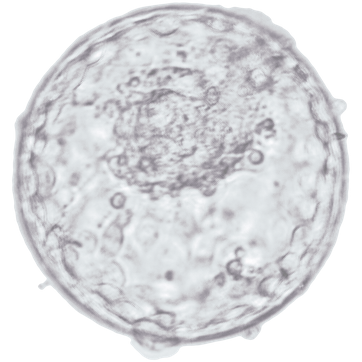
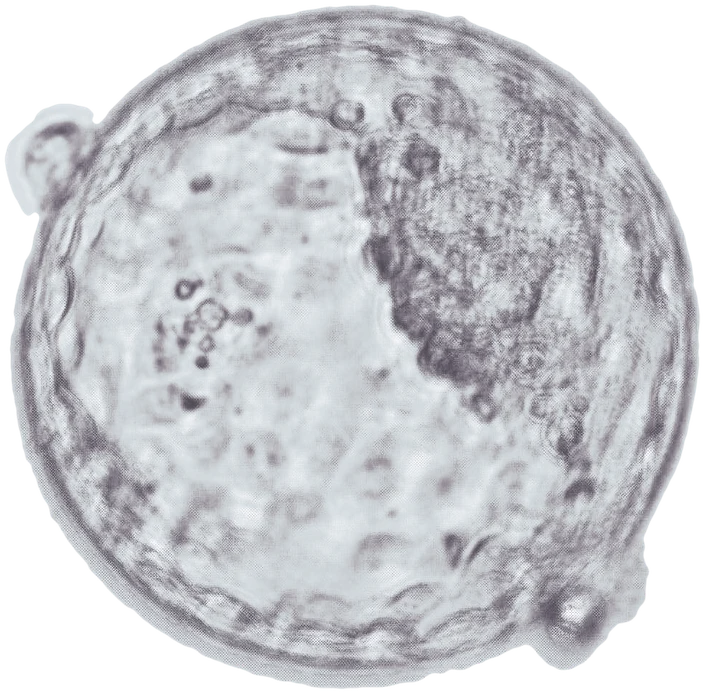
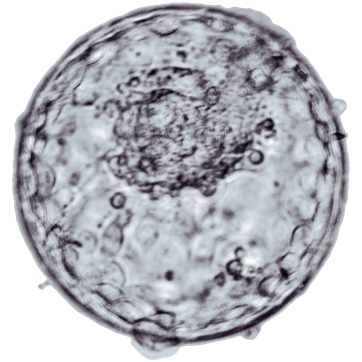
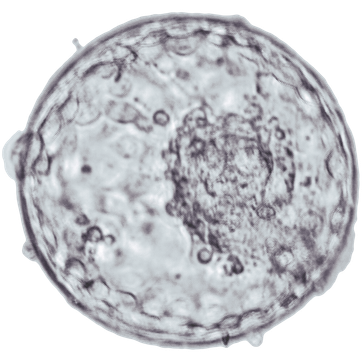
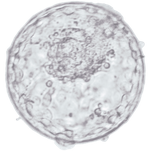
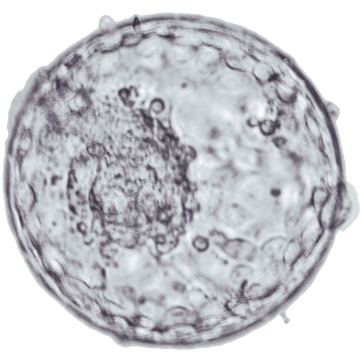
Human blastocyst within the zona pellucida

Human blastocyst contained within the zona pellucida, the coating that surrounds the egg and embryo up till this stage. It then hatches out of this membrane and implants into the uterine wall. The clump of cells within the blastocyst is the inner cell mass, which goes on to form the embryonic tissue. These cells can be collected and cultured to generate embryonic stem cells (ES cells).

Human blastocyst within the zona pellucida — Jenny Nichols. Source: Wellcome Collection (1, 2). CC BY 4.0. Backgrounds removed, recoloured and rotated.

The Registry Team

Professor Christine Wells

Professor Christine Wells

Academic Lead

Christine is Chair of Stem Cell Systems at the University of Melbourne. She is a computational stem cell researcher who builds tools to understand cell identity, quality and stem cell potential. Christine is Scientific Director of the Registry, and architect of the Stemformatics.org collaboration platform.

ORCID link 
Dr Suzy Butcher

Dr Suzy Butcher

Curator

Suzy is an academic specialist at the University of Melbourne. She is the curator of the Registry, and the first point of contact for stem cell researchers wishing to register their lines. Suzy’s research training includes cell culture, microscopy, PCR and genomic techniques. Her PhD training was in bioinformatics. This gives her an understanding of the experimental systems needed for quality assurance in stem cell research.

ORCID link 
Dr Andrew Creegan

Dr Andrew Creegan

Developer

Andrew is a Full Stack Developer at the University of Melbourne. He is a software engineer with a focus on building reliable applications and creating clear, usable digital tools for researchers.

ORCID link 
Dr Noel Faux

Dr Noel Faux

Chief Investigator and Consultant

Noel is a Senior Research Data Specialist for the Melbourne Data Analytics Platform at the University of Melbourne. He has provided technical development of the registry prototype and remains a close collaborator on the project.

ORCID link 
Dr Daniel Russo-Batterham

Dr Daniel Russo-Batterham

Data Research Specialist and Consultant

Daniel is a Senior Research Data Specialist for the Melbourne Data Analytics Platform at the University of Melbourne. He has provided advice on design of the database and user experience for the Registry.

ORCID link 
Claire Livingstone

Claire Livingstone

Data Linkages

Claire is a Masters of Bioinformatics student at the University of Melbourne. Her project is designed to connect registered lines with a molecular atlas to explore the quality and behaviour of Australian pluripotent stem cells.

Our Partners

Enabling Openness in Australian stem cell Research (EOAR)

The Enabling Openness in Australian stem cell research is a project that brings together social scientists, philosophers, legal and ethics scholars together with digital specialists and stem cell researchers. EOAR is interested in the mechanisms that build trust in stem cell research and stem cell therapies, seeking to understand how Australian medical researchers find and access human stem cell resources. The registry was established in response to this research.

Phenomics Australia

Phenomics Australia is part of the NCRIS health group, which resources the technology platforms that drive discovery, innovation and translation of Australian medical research.

CTRL — Garvan Institute

CTRL (pronounced /control/), developed by Garvan Institute of Medical Research, is a secure, web-based dynamic consent platform that empowers research participants to manage their consent preferences, update personal details, and make informed decisions about the use of their genomic and health data.

Stemformatics

Stemformatics provides curated gene expression datasets, visualisation tools and atlases, helping researchers compare findings across studies and investigate patterns of cell identity and behaviour.

Willmore Design

Willmore Design is a studio specialising in brand strategy, visual identity, website design and communications, helping organisations present complex information with clarity.

Registry Alumni

Our Funders

We acknowledge funding to the Australian Pluripotent Stem Cell Registry from the Australian Government National Critical Research Infrastructure (NCRIS) via Phenomics Australia; the Medical Research Future Fund national critical digital infrastructure scheme (NCRIXXIV000085); and the University of Melbourne infrastructure scheme.

Back to top